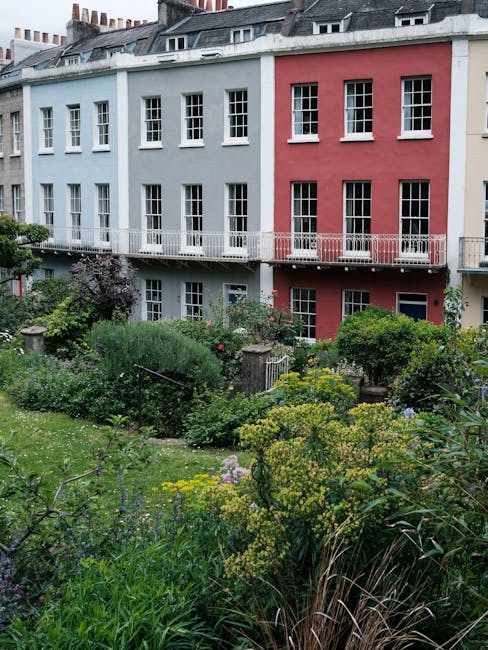
High Holborn gardeners front garden plant choices

If you are planning High Holborn gardeners front garden plant choices, you are probably trying to solve more than one problem at once. You want the front of the property to look welcoming. You want planting that survives London conditions. And, to be fair, you do not want a layout that becomes a weekly battle with pruning, watering, or leaf drop.
Front gardens in High Holborn tend to face real-world pressures: partial shade from tall buildings, reflected heat from brick and paving, narrow beds, containers squeezed beside steps, and the everyday wear of foot traffic, dust, and urban wind. The right planting plan can make a small frontage feel calm, polished, and lived-in, without becoming a maintenance headache.
In this guide, we will look at how to choose plants that suit the site, how to balance style with practicality, and how experienced gardeners think about front garden planting in a busy central London setting. You will also find a comparison table, a checklist, and a few honest mistakes to avoid. Nothing fancy. Just useful advice you can actually use.
- Why the right planting choices matter
- How front garden plant selection works
- Benefits and practical advantages
- Who this is for
- Step-by-step guidance
- Expert tips
- Common mistakes to avoid
- Tools, resources and recommendations
- Law, compliance, standards, or best practice
- Options and comparison table
- Real-world example
- Practical checklist
- Conclusion
- Frequently asked questions
Why High Holborn gardeners front garden plant choices Matters
Front garden planting does a lot of heavy lifting. It frames the building, softens hard materials, and sets the tone before anyone reaches the front door. In a place like High Holborn, where space is often tight and the view from the street is immediate, those choices matter even more.
The wrong plant in the wrong spot can quickly look messy. A shrub that grows too broad can block a path or windows. A thirsty planting scheme can struggle in shallow soil. A bed packed with high-maintenance blooms may look lovely in May and tired by August. Happens all the time, truth be told.
The right plant mix, on the other hand, gives you structure through winter, colour through the warmer months, and a front garden that still looks decent after a few busy weeks away. That is the real goal: not perfection, but a frontage that holds its shape and looks intentional.
There is also a subtle but important social effect. A well-planted front garden says the property is cared for. It can make a terrace, townhouse, or converted flat feel more inviting without shouting for attention. In a dense London street, that sense of quiet order is worth a lot.
How High Holborn gardeners front garden plant choices Works
Good front garden planting starts with site conditions, not with a shopping list. Experienced gardeners usually begin by asking a few practical questions: How much sun does the space get? Is the soil shallow or compacted? Is the frontage exposed to wind? Are you planting in borders, raised beds, or pots? Does the property get a lot of foot traffic?
From there, plant choices are matched to the site and to the look the homeowner wants. A formal frontage might use clipped shapes, evergreen structure, and restrained flowering plants. A softer cottage-inspired scheme may use layered perennials and seasonal colour. For a modern property, simple repeated forms often work best.
In High Holborn, many front gardens are more about composition than size. That means plant selection must work almost like interior design: the shapes, heights, textures, and colours need to feel deliberate. One tall evergreen, two or three medium shrubs, and a neat underplanting can often do more than a crowded bed full of random favourites.
The best choices also account for maintenance. Let's face it, nobody wants a plant that needs constant rescue. So the job is not just to choose attractive species. It is to choose plants that still look good when life gets busy, the weather turns odd, or a watering can is forgotten for two days in a row.
Key Benefits and Practical Advantages
When front garden plants are chosen well, the benefits are immediate and long-lasting. You notice them from the pavement, from the hallway window, and on the mornings when the street is grey but your entrance still looks composed.
- Better kerb appeal: A balanced front garden improves first impressions and can make the whole property feel more polished.
- Lower maintenance: The right plants reduce the need for constant cutting back, replacement, and watering.
- Year-round structure: Evergreen shrubs, grasses, and clipped forms keep the frontage looking complete even in winter.
- Improved privacy: Carefully placed planting can soften views into the property without creating a closed-off look.
- Better use of small space: In narrow London front gardens, a thoughtful planting plan makes limited space feel purposeful rather than cramped.
- More resilience: Plants suited to shade, wind, pollution, and shallow soil are less likely to fail.
There is another advantage people sometimes overlook: good planting can reduce visual noise. A tidy mix of foliage textures and controlled colours calms the front of the house. That matters in a busy street where every extra detail gets noticed. Sometimes less really is more. A little restraint goes a long way.
Who This Is For and When It Makes Sense
This topic matters if you are a homeowner, landlord, property manager, or tenant with responsibility for a shared frontage. It is also useful if you are renovating a tired entrance, changing a planting scheme that has outgrown itself, or preparing a property for sale or rental.
It makes sense when:
- the current planting looks messy or uneven;
- you have more shade than you expected;
- the front garden is too small for complicated planting;
- you want something attractive but manageable;
- you need better privacy near ground-floor windows;
- you have hard landscaping that needs softening;
- you want the entrance to feel more established without a full redesign.
It is especially useful for properties where the front garden is seen by neighbours, passers-by, or visitors every day. In that kind of setting, plant selection is not just decorative. It becomes part of the property's identity.
If you are also considering broader improvements, it may help to think beyond plants alone. A planting scheme often works best alongside border repairs, edging, paving tweaks, or even a small redesign through landscaping or a wider landscape gardening plan. The planting then feels integrated instead of pasted on.
Step-by-Step Guidance
If you want a front garden that looks good and stays manageable, follow a simple process. It is less glamorous than buying a trolley full of plants, but it works.
- Assess the site honestly. Watch the garden at different times of day. Note sun, shade, wind, drainage, and any awkward spots near steps or gates.
- Measure the space. Know the width of borders, pot areas, and pathways. A plant that looks charming in a nursery pot can become a nuisance if it outgrows the bed.
- Decide the maintenance level. Be realistic. If you do not want frequent pruning, choose slow growers, compact forms, and plants with naturally neat habits.
- Choose a structure first. Start with evergreens or architectural plants that hold the shape of the garden all year.
- Add seasonal interest. Then layer in flowering plants, bulbs, or grasses for movement and colour.
- Repeat shapes and colours. Repetition looks calmer than a jumble. One or two good ideas repeated well often outperform ten different plants competing for attention.
- Check sightlines and access. Make sure the planting will not block doors, windows, bins, or path edges.
- Plan for aftercare. Watering, mulching, and occasional feeding help young plants establish. The first season matters more than people think.
A useful rule of thumb: if a plant needs regular fussing to survive in your front garden, it may be the wrong plant for that place. Choose resilience first, beauty second, and then look for the overlap. That overlap is where the best gardens live.
A simple planting formula that often works
For many front gardens in central London, a reliable formula is: one structural evergreen, one or two mid-height shrubs, a repeated low planting layer, and a few seasonal accents. That could mean compact shrubs, ornamental grasses, shade-tolerant perennials, or potted plants near the entrance.
This approach keeps the garden looking intentional while avoiding visual clutter. It also makes maintenance easier because the plants play different roles. Not every plant has to be a star. Some are there to hold the line, which is rather underrated.
Expert Tips for Better Results
Small decisions make a big difference in front gardens. Here are the things experienced gardeners tend to notice quickly, even before the first spade goes in.
- Pick plants for the worst conditions, not the best. If the bed is shaded for most of the day, choose plants that cope with shade rather than hoping for a miracle in summer.
- Use evergreen structure. In a front garden, evergreen plants stop the space from looking bare in winter. They are the backbone of the scheme.
- Repeat two or three materials and plant forms. Too many styles can feel busy. Simplicity looks sharper from the street.
- Leave breathing room. Plants need space to mature. Crowding them early is a common mistake and usually leads to pruning problems later.
- Think in layers. Tall, medium, and low planting creates depth. Even a tiny frontage can benefit from this.
- Use containers where soil is poor. Pots are useful in High Holborn because they can add height, flexibility, and better soil conditions where borders are limited.
- Choose sturdy textures near the pavement. Front gardens need plants that can handle a bit of dust, air movement, and occasional rough weather.
One small but important tip: if you want flowers, do not build the whole scheme around them. Flowers are lovely, yes, but foliage carries the garden through the difficult months. And there are always difficult months. March, for example, likes to tease everyone.
If privacy is part of the brief, it may help to combine planting with screening ideas. A thoughtful arrangement of pots and upright plants can soften views without making the frontage feel boxed in. That is a subtle skill, but a very useful one.
Common Mistakes to Avoid
Most front garden planting problems are predictable. The good news is that they are also avoidable.
- Choosing plants for looks only. A beautiful plant that hates shade, pollution, or dry soil is a short-lived romance.
- Ignoring mature size. Many planting problems start with a plant that was simply too ambitious for the space.
- Overcrowding the frontage. Too many species can make a small garden look busy and harder to maintain.
- Forgetting winter structure. A scheme that only looks good in summer can feel flat for half the year.
- Relying on thirsty bedding plants. They can look cheerful, but they often need more care than people expect.
- Not planning access. Plants that spill across paths or block bins become frustrating very quickly.
- Skipping soil improvement. Good planting starts below ground. Poor soil tends to show itself sooner or later.
There is also the classic mistake of making the front garden too precious to use. A frontage should still function. You should be able to walk past it, open the gate, answer the door, and carry shopping without brushing through a mini jungle of regret. Harsh but true.
Tools, Resources and Recommendations
You do not need a giant kit to make better planting decisions, but a few basics help a lot.
- Measuring tape: Useful for checking bed width, container sizes, and clearances near doors or steps.
- Spade and hand trowel: Enough for most small front garden planting jobs.
- Quality compost: Especially important if borders are shallow or containers are being used.
- Mulch: Helps retain moisture and reduce weed growth.
- Secateurs: Handy for light shaping and deadheading.
- Watering can or hose access: Young plants need regular watering, particularly in pots and during dry spells.
On the planning side, a simple sketch can help more than people expect. Draw the frontage, mark sun and shade, then note where you need height, softness, or screening. That little sketch often stops expensive mistakes before they happen.
For ongoing care, a service such as garden maintenance can be useful if you want a planting scheme that stays tidy throughout the year. If the garden has become overgrown or cluttered, starting with garden clearance may be the smarter first move. Clearing the slate, so to speak, often reveals the real shape of the space.
And if the frontage includes shrubs or hedging that need shaping to keep everything neat, hedge trimming can make a surprisingly big visual difference. A front garden can look half-designed just from cleaner edges and better proportion.
Law, Compliance, Standards, or Best Practice
Front garden planting itself is usually a straightforward matter, but in London there are still practical standards and responsibilities to keep in mind. If you live in a leasehold property, shared building, or conservation-sensitive area, you may need agreement before changing shared or visible frontage elements. It is worth checking the property's rules before starting work.
There are also basic safety expectations. Keep paths clear, avoid creating trip hazards, and make sure plants do not block access points or visibility near doors and gates. If you are using contractors, ask about public liability cover and safe working practices, especially where tools, ladders, or waste removal are involved. A reputable gardener should be able to speak plainly about safety and insurance without making it sound like a courtroom drama.
Best practice also means disposing of green waste responsibly and using water sensibly, especially in dry periods. In a busy urban area, a tidy, well-managed planting scheme is not just about aesthetics. It is about being practical, safe, and considerate.
If you want to understand how a provider handles these things, you can review supporting pages such as health and safety guidance, insurance and safety information, and recycling and sustainability. Those details matter more than many people realise.
Options, Methods, or Comparison Table
Different front garden styles suit different properties. This table gives a practical comparison of common approaches.
| Planting approach | Best for | Advantages | Possible drawbacks |
|---|---|---|---|
| Evergreen structure with minimal colour | Small or formal front gardens | Looks tidy year-round, low visual clutter, easy to maintain | Can feel a little restrained if not softened with texture |
| Mixed shrubs and perennials | Homeowners who want seasonal interest | More variety, more movement, flexible style | Needs careful planning to avoid crowding and seasonal gaps |
| Container-based frontage | Very small spaces, paved entrances, poor soil | Flexible, easier to refresh, good for height and framing doors | Requires watering and feeding, especially in summer |
| Shade-tolerant planting scheme | North-facing or partly shaded fronts | Better survival in difficult conditions, fewer failures | Palette can be more limited if not planned carefully |
| Screening-led design | Ground-floor properties needing privacy | Softens views, adds a sense of enclosure | Can feel heavy if the planting is too tall or dense |
For many High Holborn properties, the best answer is a hybrid. A bit of structure, a bit of softness, and a few plants in containers near the entrance. Not overdone. Just right.
Case Study or Real-World Example
Picture a narrow front garden on a central London street: a shallow border by the railings, two steps up to the door, and a strip of paving that gets shade in the morning but reflected warmth by afternoon. The owner wants it to look smarter but does not want a fussy planting scheme.
The solution in a case like this would usually be quite restrained. A couple of evergreen structural plants to anchor the view. A shade-tolerant mid-layer for softness. A few pots near the door for seasonal colour. The colours would likely stay fairly calm: greens, silvers, whites, maybe a muted pink or blue if the light suits it.
Why does this work? Because it solves the real issues of the site. The scheme is compact, it respects the narrow width, and it does not rely on plants that need full sun or constant attention. The front still feels alive, but not chaotic. You walk past it in the evening and it just looks settled. That is the word, really: settled.
In another small frontage, a homeowner may want more privacy from the street. Instead of tall solid screening, a layered planting plan can soften sightlines while keeping the space open. That feels more welcoming than a wall of green, and it usually sits better with the architecture too.
If the layout needs a bigger reset, it may sit alongside wider improvements such as landscaping or even small hardscape features like decking services where appropriate. Planting and structure often work best together.
Practical Checklist
Use this before you buy plants or start digging.
- Have I checked how much sun and shade the front garden gets?
- Do I know the actual size of the planting space?
- Will the plants fit when mature, not just when young?
- Do I want low maintenance, seasonal colour, privacy, or all three?
- Have I chosen at least one evergreen structure plant?
- Will the scheme still look good in winter?
- Are paths, gates, and steps kept clear?
- Is the soil good enough, or do I need compost and mulch?
- Will I be able to water the plants properly in dry weather?
- Do I need permission or agreement before making changes?
If you can answer yes to most of those, you are probably on the right track. If not, pause and rethink. A little planning now saves a lot of annoyance later.
Conclusion
Choosing the right front garden plants in High Holborn is really about balance: beauty and practicality, structure and softness, interest and simplicity. In a busy London setting, the best planting schemes are often the ones that look calm because they are carefully considered.
Start with the site. Match plants to the light, space, and maintenance level you can realistically manage. Use evergreen structure, repeat your key forms, and do not crowd the frontage just because a plant looks lovely in the nursery. Lovely is good. Sustainable is better.
When the choices are thoughtful, a front garden becomes more than decoration. It becomes a welcome, a frame, and a quiet sign that the property is cared for. That is a small thing, maybe, but not really small at all.
Get a free quote today and see how much you can save.
Frequently Asked Questions
What are the best plants for a small front garden in High Holborn?
The best plants are usually compact, resilient, and tidy in habit. Evergreen shrubs, shade-tolerant perennials, ornamental grasses, and well-chosen container plants often work well because they give structure without overwhelming the space.
Which front garden plants need the least maintenance?
Plants that grow slowly, keep a naturally neat shape, and cope well with London conditions are usually the easiest to maintain. Evergreens and tough perennials are often better than high-maintenance seasonal bedding.
How do I choose plants for a shady front garden?
Start by accepting the shade rather than fighting it. Look for shade-tolerant species and focus on foliage texture, not just flowers. In shaded front gardens, structure and leaf shape often matter more than bright blooms.
Can I use pots instead of borders in the front garden?
Yes, and in many High Holborn properties pots are a very practical choice. They are useful where soil is poor, space is tight, or you want flexibility. Just remember that container plants need regular watering and feeding.
How many different plants should I use in a small front garden?
Usually fewer than people expect. A small frontage often looks better with a limited plant palette repeated well, rather than lots of different species competing for attention. Simplicity tends to look more refined from the street.
Should front garden plants be evergreen or deciduous?
A mix is often best, but evergreen plants are especially valuable in the front garden because they keep the space looking full through winter. Deciduous plants can add seasonal variety, but they usually work best alongside evergreen structure.
Do front garden plants affect kerb appeal?
Yes, very much so. Front garden planting is one of the first things people notice. A tidy, well-balanced scheme can make a property feel cared for, welcoming, and better proportioned.
How often should front garden plants be watered in summer?
It depends on the plant, soil, and whether you are using pots or borders. Newly planted specimens and container plants usually need more regular watering. Established shrubs in the ground may need less, but dry spells always call for extra attention.
What should I avoid when planting a front garden?
Avoid overcrowding, ignoring mature plant size, and choosing plants that do not suit the light or soil. It is also wise to avoid schemes that look good for one season but fall apart the next. Front gardens need to last.
Is it worth hiring a gardener for front garden planting?
If you want the planting to be well matched to the space, yes, it can be very worthwhile. A knowledgeable gardener can help with plant selection, layout, soil preparation, and long-term maintenance, which is often where the real value lies.
Can planting help with privacy in a front garden?
Yes, but it works best when done subtly. Layered planting, upright shrubs, and container arrangements can soften views without making the frontage feel closed off. The trick is to create screening, not a barrier.
When is the best time to plant a front garden in London?
Autumn and spring are usually the most comfortable times for planting, because temperatures are milder and plants can establish more easily. That said, with proper care and watering, planting can be done at other times too if conditions are suitable.